Family Caregiver Support Resources You Need Today: Comprehensive In-Home Senior Care and Financial Assistance
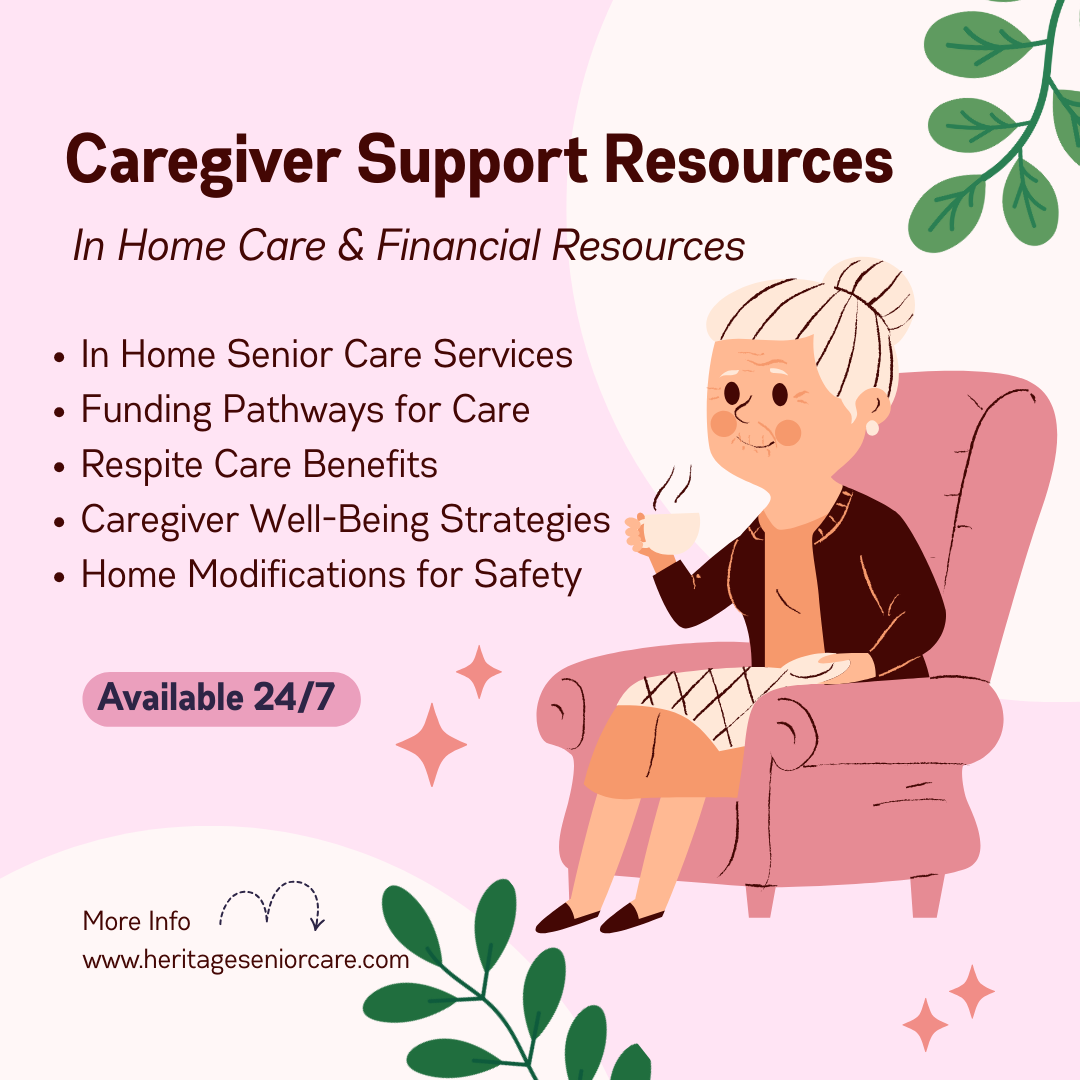
When the demands of caring for a loved one at home become overwhelming, family caregivers often juggle personal care tasks, emotional support, and complex funding options with little guidance. This article delivers immediate strategies and vetted solutions—from personal care assistance and dementia support to long-term care insurance guidance and veteran benefits—to ease that burden. You’ll discover the types of in-home senior care services available, clear pathways to finance care, proven methods to protect caregiver well-being, aging-in-place safety upgrades, answers to the most pressing questions caregivers ask, and how Heritage Senior Care’s personalized plans can deliver relief. Whether you’re balancing work with helping an aging parent, navigating Medicaid waivers, or seeking respite care, this guide equips you with actionable steps and expert insights to reclaim peace of mind and ensure seniors thrive at home.
What Types of In-Home Senior Care Services Are Available for Family Caregivers?
In-home senior care services encompass professional support delivered in a senior’s residence to maintain comfort, safety, and quality of life. By assigning trained caregivers to assist with daily routines, personalized schedules, and specialized needs, families experience improved senior independence and reduced caregiver stress. Heritage Senior Care provides a comprehensive catalog of services—personal care, companion care, dementia support, respite relief, and post-hospitalization recovery—to meet evolving needs.

Each service type connects unique expertise with tailored care, ensuring seniors receive the right support at the right time. Exploring these options sets the stage for funding strategies that follow.
How Does Personal Care Assistance Support Elderly Loved Ones?
Personal care assistance delivers hands-on support by helping seniors with activities of daily living, which enhances their independence and preserves dignity. Caregivers promote safety through fall prevention techniques while ensuring proper hygiene, nutrition monitoring, and mobility support. Regular personal care visits improve physical health and reduce risks of complications, allowing families to focus on emotional connection rather than routine tasks.
What Are the Benefits of Companion Care for Seniors?
Companion care provides social interaction, emotional support, and light household help that prevent isolation and depression among older adults. By engaging in conversation, recreational activities, and gentle exercise, companions boost seniors’ mood, cognitive engagement, and physical activity levels. Companion visits create predictable social outlets that reinforce purpose and reduce the likelihood of anxiety or loneliness.
How Is Dementia and Alzheimer’s Care Tailored for Family Caregivers?
Dementia and Alzheimer’s care involves structured routines, memory-triggering activities, and specialized communication techniques to minimize confusion and agitation. Care teams utilize validation therapy, memory prompts, and familiar objects to reinforce cognitive pathways. This tailored approach eases daily challenges, supports emotional stability, and gives family caregivers confidence that loved ones are engaged in safe, calming environments.
What Respite Care Options Provide Relief for Family Caregivers?
Respite care offers short-term professional coverage—ranging from a few hours per day to overnight stays—so family caregivers can attend appointments, travel, or rest. These services maintain continuity of care through established caregiver profiles and detailed shift reports. Scheduled breaks help reduce stress accumulation, restore caregiver resilience, and prevent compassion fatigue from undermining quality of care.
How Does Post-Hospitalization Care Help Seniors Recover at Home?
Post-hospitalization care bridges the transition from medical facilities to home by coordinating medication regimens, arranging follow-up therapies, and monitoring recovery progress. Skilled caregivers manage wound care, physical therapy exercises, and dietary adjustments to accelerate healing. By reducing readmission rates and providing constant oversight, this service ensures seniors regain independence safely.
How Can Family Caregivers Navigate Paying for Senior Care?
Understanding funding pathways empowers caregivers to access professional in-home services without depleting personal resources. Family caregivers can leverage private insurance, government programs, and personal financial planning to cover care costs. Laying out each resource clarifies eligibility and application steps for seamless support.

What Is Long-Term Care Insurance and How Does It Cover In-Home Care?
Long-term care insurance is a financial product designed to fund extended care services such as personal care, therapy assistance, and home health aide visits. Upon plan activation—usually triggered by an inability to perform two or more ADLs—policyholders receive daily or monthly benefit payments. This mechanism prevents rapid asset depletion and covers professional home-based support.
Long-Term Care Insurance
Long-term care insurance helps cover the costs of services like in-home care, assisted living, and nursing homes. It can protect assets by reducing the need to pay for care out of pocket. Benefits are typically triggered when an individual cannot perform two or more activities of daily living.
This source explains how long-term care insurance can be used to finance in-home care and other related services.
How Do Veteran Aid and Attendance Benefits Support Home Care?
Veteran Aid and Attendance benefits supplement retirement income with a monthly allowance to offset in-home care expenses for eligible veterans and surviving spouses. The program requires demonstration of service history, financial need, and medical necessity, and covers companion care, personal care, and home modifications. By providing stable funding, it enhances both senior security and caregiver capacity.
VA Aid and Attendance Benefits
The VA offers Aid and Attendance benefits, providing monthly payments to eligible veterans and survivors who require assistance with daily activities or are housebound. Eligibility depends on factors such as the need for assistance with daily living activities, being housebound due to illness, or residing in a nursing home due to a disability.
This source provides information on a specific financial resource available to veterans to help cover the costs of in-home care.
What Medicaid and State Programs Assist with Senior Home Care Costs?
Medicaid waiver programs and state-run initiatives fund in-home care for low-income seniors through home health aide services, medical equipment loans, and adult day programs. Eligibility hinges on income, asset thresholds, and care level assessments. These programs integrate with local Commission on Aging offices to streamline application and care coordination.
Medicaid and State Programs
Medicaid provides coverage for low-income individuals, including the elderly and those with disabilities, and offers benefits not normally covered by Medicare, such as nursing home care and personal care services. Eligibility and coverage vary by state.
This source highlights Medicaid as a potential funding source for in-home care, emphasizing that eligibility and benefits differ by state.
What Are Private Pay Options and Financial Planning Tips for Caregivers?
Choosing private pay means contracting directly with an agency or caregiver at agreed hourly or package rates. Families gain schedule flexibility and personalized oversight. To manage budgets, caregivers can set weekly spending limits, explore caregiver stipends from local nonprofits, and leverage tax-deductible medical expense provisions under IRS rules.
How Can Caregivers Access Local Financial Assistance and Grants?
Many civic groups, faith organizations, and community foundations offer one-time grants, low-interest loans, or caregiver stipends to cover respite, home modifications, and medical equipment. Caregivers should contact area agencies on aging, local United Way chapters, and veteran service organizations to identify available resources and application deadlines.
What Strategies Help Manage Caregiver Well-Being and Prevent Burnout?
Sustaining caregiver health requires proactive stress management, community connection, and purposeful downtime. Building a support network and adopting self-care routines improve resilience and preserve long-term caregiving capacity.
Establish daily stress-recognition practices such as journaling or brief mindfulness exercises to detect fatigue early.
Schedule regular breaks by coordinating respite services that allow uninterrupted personal time.
Create peer support connections through local caregiver groups or online communities to share experiences and coping strategies.
Caregiver Well-Being
Caregivers should prioritize their own health and well-being to effectively care for others. Strategies include stress management, support groups, and self-care practices. Resources such as the Alzheimer's Association and Family Caregiver Alliance offer support.
This source emphasizes the importance of caregiver well-being and provides resources for managing stress and finding support.
Implementing these steps builds emotional strength that protects both caregiver and care recipient.
How Can Family Caregivers Recognize and Manage Stress?
Caregiver stress often manifests as irritability, sleep disturbances, and physical tension. By monitoring mood changes and using breathing exercises or guided relaxation, caregivers enhance emotional regulation. Early recognition of stress signals prompts timely self-care and professional support referrals.
Where Can Caregivers Find Local Support Groups and Community Resources?
Community centers, faith-based organizations, and aging services often host caregiver support groups and educational workshops. These gatherings promote shared problem-solving, reduce isolation, and connect families with legal aid clinics, nutrition programs, and transportation assistance.
What Self-Care Practices Improve Caregiver Health and Resilience?
Prioritizing sleep hygiene, balanced nutrition, and moderate exercise strengthens physiological resilience. Integrating brief daily walks, stretching routines, or hobby time replenishes mental energy. Consistent self-care practices directly reduce anxiety and enhance caregiving focus.
How Should Caregivers Approach Legal and Financial Planning?
Advance directives and power of attorney documents safeguard seniors’ preferences while clarifying decision-making authority. Collaborating with elder law attorneys to establish trusts or guardianships limits future disputes. Early financial planning—incorporating veteran benefits and Medicaid strategies—protects assets and prevents crisis-driven decisions.
How Can Seniors Safely Age in Place with Home Modifications and Technology?
Aging in place combines environmental adaptations and digital monitoring to sustain safety and autonomy. Evaluating home risks and installing supportive features reduces accidents, while technology enhances communication and oversight.

Home Modifications for Seniors
Home modifications are adjustments made to a home to enable elderly or disabled individuals to perform daily tasks as safely as possible while maintaining their independence. Common modifications include grab bars, ramps, and non-slip flooring.
This source provides information on how home modifications can improve safety and independence for seniors, which is relevant to the discussion of aging in place.
What Home Safety Assessments Are Essential for Senior Independence?
A certified assessor reviews floor surfaces, lighting, stairways, and bathroom layouts to pinpoint fall hazards and mobility barriers. Identifying high-risk areas leads to targeted modifications that restore safe navigation and reduce emergency incidents.
Which Accessible Home Modifications Support Daily Living Activities?
Installing grab bars, non-slip flooring, raised toilet seats, and threshold ramps addresses common risk zones. These changes facilitate self-transfers and preserve functional independence while minimizing the need for hands-on assistance.
How Does Technology Enhance Senior Care and Caregiver Support?
Technology platforms integrate wearable monitors, smart sensors, and medication reminders to track seniors’ activity patterns and vital signs. Real-time alerts enable caregivers to intervene promptly, and telehealth systems connect families with professional guidance without leaving home.
What Are the Most Common Questions Family Caregivers Ask About Support Resources?
Caregivers frequently seek clear, actionable answers to plan effective care. Below are direct responses to the questions heard most often.
What Resources Are Available for Family Caregivers Today?
Family caregivers can access in-home personal care, companion services, specialized dementia support, respite care, veteran benefits, long-term care insurance payouts, Medicaid waivers, private pay options, and community grants. These services work together to cover daily needs, funding challenges, and emotional relief.
How Can I Get Help Caring for an Elderly Parent at Home?
Begin by scheduling a care needs assessment with a reputable in-home agency to determine required support levels. Based on that evaluation, select services such as personal care, companion visits, or post-hospitalization assistance and align payment sources—insurance, benefits, or private funds.
What Is Respite Care and How Does It Benefit Caregivers?
Respite care provides temporary professional substitution, offering scheduled breaks for family caregivers to rest, manage personal tasks, or attend medical appointments. These intervals prevent burnout, sustain caregiver health, and maintain long-term quality of care.
Does the VA Pay for In-Home Care for Veterans?
Yes, the VA’s Aid and Attendance benefit offers a monthly supplement to eligible veterans and surviving spouses to cover in-home care expenses such as personal care and companion support. Qualification requires service verification, medical evaluations, and financial assessments.
How Do I Find Financial Assistance for Senior Home Care?
Identify all potential sources—long-term care insurance policies, VA benefits, state Medicaid waivers, local nonprofit grants, and caregiver stipend programs. Contact area agencies on aging, veteran service officers, and insurance providers to initiate applications and confirm coverage levels.
How Does Heritage Senior Care Provide Personalized Support for Family Caregivers?
Heritage Senior Care delivers tailored in-home plans that align clinical assessments with family preferences to optimize senior quality of life. By integrating seasoned care managers, individualized training, and veteran expertise, our approach combines compassion with proven methodologies.
What Makes Heritage Senior Care’s Personalized Care Plans Effective?
Each plan begins with a comprehensive needs assessment that evaluates physical health, cognitive status, and lifestyle goals. Care managers then craft schedules balancing personal care, social engagement, and therapeutic activities, continuously adjusting services as needs evolve.
How Are Professional Caregivers Trained to Support Seniors and Families?
Caregivers complete rigorous training in ADL assistance, dementia care techniques, safety protocols, and communication strategies. Ongoing education and supervision ensure that each professional upholds best practices and cultural sensitivity while delivering compassionate support.
How Does Heritage Senior Care Assist Veterans and Their Families?
Leveraging deep expertise in VA benefit navigation, our team guides veterans through Aid and Attendance applications and coordinates required medical documentation. This targeted support ensures eligible veterans maximize entitlement to in-home care funding.
What Steps Are Involved in Scheduling a Free In-Home Care Assessment?
Contact our care coordination office to discuss your situation and schedule a home visit.
A certified care manager conducts a detailed evaluation of health, mobility, and social needs.
You receive a personalized care proposal outlining recommended services, schedules, and cost options.
Upon agreement, professional caregivers begin service with ongoing oversight and plan adjustments.
Four decades of specialized in-home care have shown that combining professional support with family involvement promotes better outcomes for seniors and caregivers alike. By leveraging a full suite of funding options, caregivers can secure sustainable in-home assistance without financial strain. Strategic self-care and community ties preserve caregiver wellness and prevent burnout over the long term. Heritage Senior Care’s personalized plans and veteran expertise ensure each family receives the right resources exactly when they need them.