Essential Emergency Response Plans for Caregivers: Comprehensive Guide to Senior Safety and Preparedness
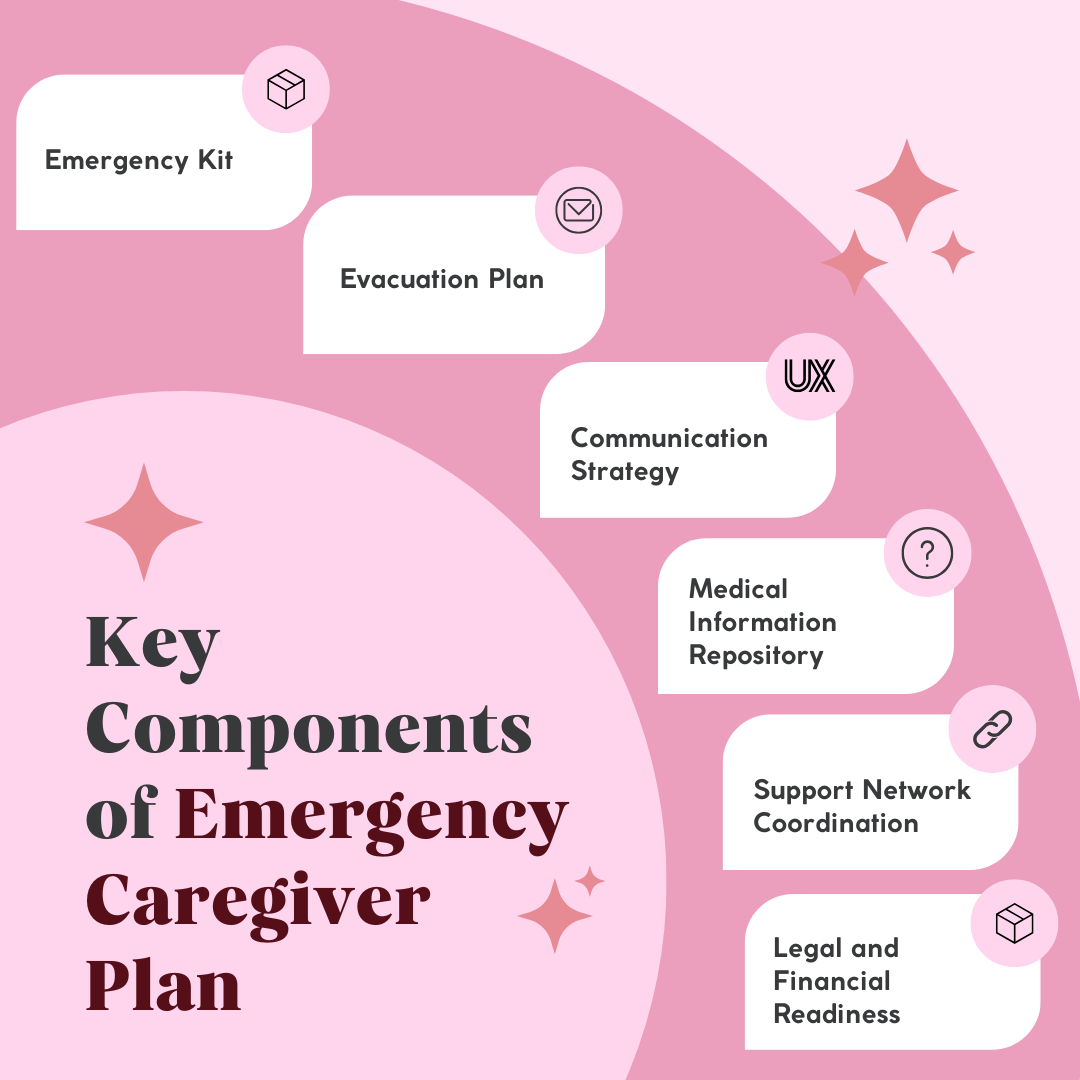
Every 11 seconds, an older adult suffers a fall that can spiral into a life-threatening situation without a clear emergency response plan for caregivers. Crafting and executing these plans involves assembling essential supplies, defining evacuation routes, establishing communication protocols, managing medical information, coordinating support networks, and securing legal and financial documents. In this guide, you will learn how to:
Identify key components of an effective caregiver emergency plan
Manage seniors’ medical needs during crises
Build and coordinate a robust support network
Secure vital legal and financial preparations
Leverage professional in-home care services for enhanced readiness
Assemble and maintain a senior emergency kit step by step
Practice and update plans for ongoing safety
By following these structured steps, caregivers—whether family members or Heritage Senior Care professionals—can protect seniors against unexpected hazards and ensure continuity of care when it matters most.
Older adults are among the most vulnerable during disasters, and it is critical that they and their caregivers prepare for emergencies. This includes creating a communication strategy, designating a meeting place, and having essential documents readily available.
This source emphasizes the importance of emergency preparedness for seniors, which aligns with the article's focus on creating emergency response plans for caregivers.
What Are the Key Components of an Effective Caregiver Emergency Plan?
An effective caregiver emergency plan defines roles, resources, and procedures in advance to reduce response time and minimize risk during crises. By breaking down complex needs into actionable parts, caregivers ensure seniors receive timely assistance, maintain critical medications, and stay connected when usual channels fail. Core components include an emergency kit, evacuation plan, communication strategy, medical information repository, support network coordination, and legal/financial readiness. Together, these elements create a cohesive strategy that empowers caregivers to act swiftly and protect vulnerable seniors. The next sections explore each component in detail, beginning with emergency kit essentials.
Which emergency kit essentials should caregivers prepare for seniors?
A senior emergency kit contains supplies and documents that sustain health and safety for at least 72 hours. Including familiar items reduces stress and supports daily routines amid disruptions.
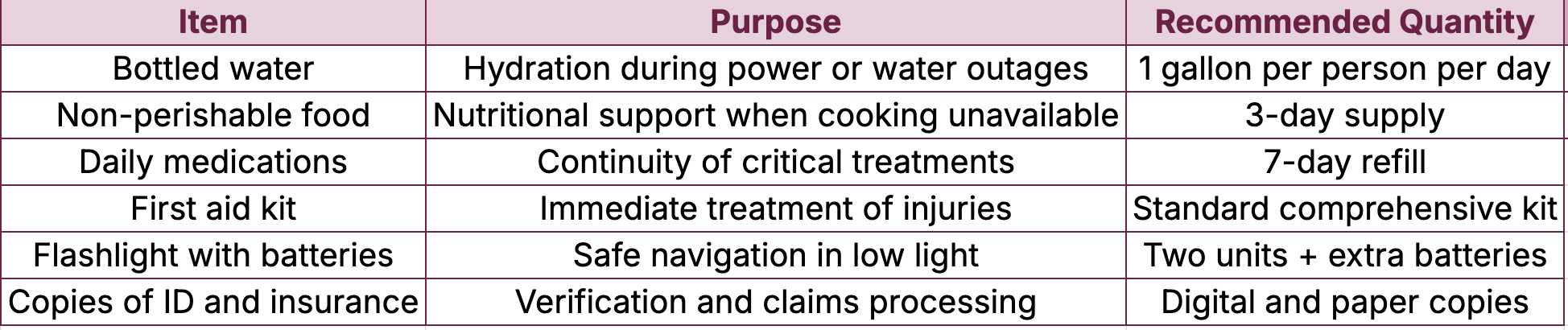
A senior emergency kit should include essential items such as water, non-perishable food, medications, a first aid kit, and copies of important documents. Tailoring the kit to individual needs, such as mobility aids or specific medical requirements, is also crucial.
Building this kit lays the foundation for a reliable plan and transitions naturally into mapping safe evacuation routes.
How do you create a personalized evacuation plan for elderly individuals?
A personalized evacuation plan identifies accessible exit paths, transportation methods, and safe destinations tailored to a senior’s mobility and health profile. Starting with a home walkthrough, caregivers note door widths, hallway clearances, and any obstacles that could impede wheelchairs or walkers. They then designate primary and secondary meeting points, arrange transportation (e.g., wheelchair-accessible vans), and compile maps with landmark references. Practicing timed drills with seniors and professional caregivers reinforces familiarity and reduces panic. This proactive approach ensures that, when evacuation becomes necessary, every second counts toward a safe departure.
What communication strategies ensure caregiver and senior connectivity during emergencies?
A robust communication plan lists primary and backup contacts, identifies methods (text, phone, two-way radios), and establishes check-in schedules to maintain connectivity when networks fail. Caregivers program an out-of-area contact who can relay messages if local lines are down. They also provide seniors with simple-to-use devices—such as medical alert pendants—and prepare written instructions with emergency numbers. Incorporating group messaging apps and predetermined meeting spots enhances coordination among family, neighbors, and professional staff. Consistent practice of these protocols builds confidence and keeps all parties aligned under stress.
How Can Caregivers Manage Medical Needs During an Emergency?
Managing medical needs involves organizing detailed health information, ensuring uninterrupted access to medications and devices, and adapting care for chronic or mobility-restricted conditions. A clear system for tracking prescriptions, allergies, and dosage schedules empowers caregivers to maintain treatment continuity even in high-pressure situations. The subsections below unpack essential medical preparations for every caregiver.
What medical information and documents are critical for emergency preparedness?
Caregivers must assemble a concise medical portfolio that includes diagnosis summaries, medication lists, allergy alerts, physician contacts, and advance directives. This dossier—kept in both paper and encrypted digital formats—ensures responders have immediate access to vital data. Including recent lab results and device instruction manuals (e.g., for oxygen concentrators) further supports informed interventions. Maintaining this portfolio underpins rapid decision-making and seamless transitions between care providers during a crisis.
How should caregivers organize and maintain medications and medical devices in crises?
Labeling each prescription with dosage, frequency, and refill instructions in a waterproof pouch prevents errors when routines change abruptly. Extra kits of essential medical devices—such as glucose monitors, hearing aid batteries, and mobility scooter chargers—sit alongside medications in the emergency kit. Regular inventory checks aligned with pharmacy refill dates avoid lapses. By combining clear labeling with systematic storage, caregivers uphold treatment accuracy under unpredictable conditions.
What special considerations apply for seniors with chronic conditions or mobility challenges?
Seniors with diabetes, heart disease, or limited mobility require tailored emergency strategies that factor in temperature-sensitive medications, water for injection preparations, and accessible transportation options. Caregivers coordinate with medical equipment vendors to secure portable backups of continuous therapy devices. They also adapt evacuation plans to include paramedic-equipped vehicles and designate accessible shelters. Addressing these nuanced needs prevents deterioration of chronic conditions and ensures equitable care delivery during emergencies.
How Do You Build and Coordinate a Caregiver Support Network for Emergencies?
A caregiver support network pools the strengths of family, friends, neighbors, and professionals to share responsibilities, resources, and situational awareness. Establishing this network disperses workload, enhances coverage, and taps into local expertise when time is critical. Below, we examine who belongs in a robust support circle and how to engage them effectively.
Who should be included in a senior emergency support network?
Effective networks combine trusted individuals and agencies who can respond at short notice. Typical members include:
Primary family caregivers who know daily routines and health histories.
Nearby neighbors willing to check on seniors if caregivers are delayed.
Professional caregivers from Heritage Senior Care trained in emergency protocols.
Local volunteer groups or faith-based organizations offering assistance.
Healthcare providers—such as home nurses and therapists—who understand medical intricacies.
Covering diverse roles reduces single-point failures and ensures continuous oversight. From here, coordination strategies cement collaborative action.
The Caregiver Action Network (CAN) is a leading family caregiver organization that provides resources and support for caregivers. CAN offers tools and information to help caregivers navigate the challenges of caregiving, including emergency preparedness.
This source provides information on caregiver support networks, which is relevant to the article's section on building and coordinating a support network.
How can caregivers collaborate with family, neighbors, and professionals during disasters?
Shared communication channels—like group texts or emergency hotlines—keep everyone informed of changes in senior status, location, or resource needs. Caregivers schedule rotating check-in times and assign clear responsibilities, such as supply delivery, vehicle provision, or medical support. Digital calendars and shared documents track tasks and contact lists. Regular joint drills held by family, neighbors, and Heritage Senior Care staff build trust and refine workflows, creating cohesion when real emergencies strike.
What local community resources and emergency services should caregivers integrate?
Connecting with municipal emergency management, local fire and police departments, and senior center coordinators provides real-time updates on evacuation orders, shelter availability, and specialized assistance programs. Caregivers register seniors with “special needs” databases to gain priority support, and establish relationships with pharmacies offering home delivery in crises. Integrating these civic and volunteer services deepens the support network’s capacity to respond swiftly and reduces isolation of vulnerable seniors.
What Legal and Financial Preparations Are Essential for Senior Emergency Plans?
Legal and financial readiness ensures that seniors’ wishes are honored, benefits remain active, and caregivers can make prompt decisions without bureaucratic delays. Comprehensive preparation covers power-of-attorney designations, advance health directives, and confirmation of insurance policies. The following details highlight pivotal documents and how long-term care insurance can bolster emergency planning.
Which legal documents must caregivers secure for emergency situations?
Key documents that safeguard decision-making authority and access to resources include:
Durable Power of Attorney – Empowers designated caregivers to manage finances and property.
Healthcare Proxy / Advance Directive – States treatment preferences and appoints a medical decision-maker.
Living Will – Specifies life-sustaining treatment choices.
HIPAA Authorization – Allows sharing of medical records among emergency responders.
Identification and Insurance Cards – Facilitate medical services and benefit claims.
Essential legal documents for seniors include a Durable Power of Attorney, an Advanced Health Care Directive, and a Last Will and Testament. These documents ensure that seniors' wishes are honored and that caregivers can make prompt decisions during emergencies.
Securing and updating these records prevents legal roadblocks and maintains senior autonomy under stress.
How can long-term care insurance support emergency preparedness for seniors?
Long-term care insurance policies often cover temporary assisted-living placements, home modifications (e.g., ramps, emergency lighting), and respite care when family caregivers are unavailable during disasters. Reviewing policy terms and pre-arranging claims processes ensure prompt access to funds when needed. Caregivers should store digital copies of insurance certificates in the emergency portfolio. Leveraging insurance benefits lightens financial burdens and expands care options in crises.
How Do Professional In-Home Care Services Enhance Emergency Preparedness for Seniors?
Professional in-home care services bring specialized training, equipment, and protocols that elevate a senior’s emergency readiness. Partnering with Heritage Senior Care integrates crisis planning into everyday routines, ensuring that emergencies are anticipated, rehearsed, and managed seamlessly.
Long-term care facilities must comply with emergency preparedness requirements, including having a detailed plan that addresses various risks and ensures the safety of residents. These plans must be reviewed and updated annually.
What role do trained caregivers play in developing and executing emergency response plans?
Trained caregivers conduct risk assessments, customize evacuation routes to clients’ homes, and coach families through drills. They inventory and replenish emergency kits, monitor medication schedules, and maintain communication logs. Their expertise in first aid, CPR, and disaster response protocols supplements family efforts, providing a professional safety net. This collaborative model fortifies every aspect of an emergency plan.
How does Heritage Senior Care integrate emergency planning into daily in-home care?
Heritage Senior Care caregivers include emergency preparedness check-ins as part of weekly care assessments. They review evacuation procedures, verify contact lists, update medical portfolios, and test alert systems with seniors and family members. By embedding these tasks into routine visits, emergency readiness becomes habitual rather than an afterthought. This proactive integration ensures that both seniors and caregivers stay prepared at all times.
What are examples of successful emergency interventions by professional caregivers?
When a sudden winter storm knocked out power in a senior’s neighborhood, a Heritage caregiver activated backup generators, secured additional heating sources, and coordinated with local emergency services to transport the client to a heated community center—preventing hypothermia. In another instance, a tailored evacuation drill revealed a mobility bottleneck in a narrow hallway; caregivers promptly reconfigured furniture and arranged for a compact evacuation chair, ensuring smooth exits in future drills.
What Are the Step-by-Step Actions to Assemble and Maintain a Senior Emergency Kit?
A clear, prioritized checklist guides caregivers through kit assembly and upkeep, reducing omissions and preserving senior well-being over time. The following steps combine itemization, special-needs accommodation, and maintenance schedules for maximum reliability.
What core items must be included in a senior emergency kit checklist?
Begin with universally essential supplies, then adapt to individual needs for comprehensive coverage:
Hydration and Nutrition – At least three days of water and non-perishable meals.
Medical Essentials – Seven-day supply of daily prescriptions, instruction manuals, and spare medical-device batteries.
First Aid and Safety – A full first aid kit, protective masks, gloves, and emergency blanket.
Lighting and Power – Flashlight, headlamp, extra batteries, and a portable phone charger.
Communication Tools – Spare phone, out-of-area contact list, and a whistle or signal mirror.
Completing this core kit transitions naturally into customizing for special requirements.
How do you address special needs like medications, mobility aids, and hygiene supplies?
Tailoring the kit ensures seniors maintain comfort and dignity under stress. Caregivers include:
A separate waterproof pouch with labeled prescription bottles and dosage schedule cards.
Collapsible mobility aids—such as walking sticks or portable ramps—and spare wheelchair batteries.
Personal hygiene items like incontinence pads, toothbrushes, wet wipes, and toileting aids.
This attention to detail upholds routine care standards and minimizes confusion during emergencies.
How often should caregivers review and update emergency kits?
Caregivers should perform quarterly audits of kit contents, checking expiration dates, battery charge levels, and regulatory updates on medication formulas. After each audit, expired items are replaced, contact lists are verified, and any changes in health status trigger kit adjustments. Regular reviews guarantee readiness and reflect evolving senior needs over time.
How Can Caregivers Practice and Update Emergency Plans for Ongoing Safety?
Routine practice and iterative updates transform theoretical plans into reliable routines that withstand real-world pressures. By combining drills, scheduled reviews, and customizable templates, caregivers foster continual preparedness.
What are effective methods to practice evacuation and communication plans with seniors?
Role-playing scenarios—such as simulated power outages or fire alarms—reinforce awareness of exit paths, meeting spots, and contact protocols. Toggle between full-scale drills and “tabletop” discussions to cover both physical actions and decision-making logic. Professional caregivers can lead monthly sessions, gradually adjusting complexity to build skills and confidence. These exercises solidify muscle memory and clarify responsibilities under stress.
How often should emergency plans be reviewed and revised?
A comprehensive plan review every six months aligns with seasonal hazards (storms, heatwaves, flu seasons) and tracks changes in health status, living arrangements, or support network availability. Minor updates—such as new phone numbers or prescription adjustments—occur immediately. This dual cadence of major and minor revisions preserves plan relevance and responsiveness.
What tools and templates can caregivers use to customize and track emergency preparedness?
Digital planners and printable forms—such as emergency contact sheets, evacuation checklists, and medication logs—offer structured formats that guide updates and drills. Caregivers may use color-coded binders or secure cloud folders to store these templates alongside medical portfolios. Customizable apps provide reminders for kit audits, drill schedules, and policy renewals. Leveraging these tools keeps every facet of preparedness visible, accessible, and actionable.
Maintaining this cycle of practice and refinement ensures that seniors and caregivers remain resilient against any unforeseen event.
By integrating these comprehensive emergency response plans for caregivers, families and professional teams create a seamless safety net that preserves health, independence, and peace of mind. Consistent practice, clear communication, and collaboration with Heritage Senior Care’s trained professionals transform plans into reliable, life-saving actions—empowering seniors to thrive no matter what challenges arise.
Conclusion
Implementing effective emergency response plans for caregivers not only safeguards seniors but also enhances their overall well-being and independence. By prioritizing communication, medical preparedness, and support networks, caregivers can ensure timely and appropriate responses during crises. Embrace the proactive steps outlined in this guide to create a robust safety framework for your loved ones. Start your journey towards comprehensive emergency preparedness today by exploring our resources and support options.